
From First Call to First Day: How Victory Plans a Job Before Mobilization


Operators choosing a well servicing partner often focus on day rates, safety records, and
experience. Those are worth weighing carefully. But a job's success is shaped just as much by
what happens in the days between the first phone call and a crew arriving on location.
At Victory Well Servicing, that stretch of time follows a defined planning process, one built to
remove guesswork before a rig ever moves.
Defining the Scope
Every job starts with a conversation. Steve Bailey, Victory's Oilfield Sales lead, works directly with operators to define what the job requires: the type of work (drill-outs, completions,
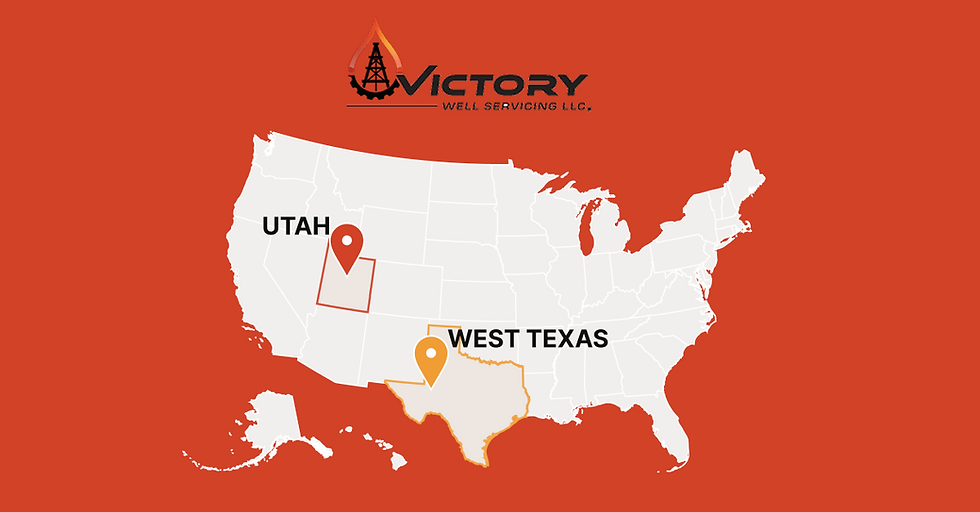
workovers, or clean-outs), the well's location across West Texas, New Mexico, South Texas, or
Utah, and the timeline the operator needs to hit.
This conversation sets the terms for everything that follows. A clear scope means the right rig,
the right crew, and the right equipment get matched to the job from the start.
Matching Equipment and Crew to the Job
Victory owns and operates its own fleet, which means equipment availability is confirmed
internally rather than negotiated with a third party. Once the scope is set, the rig, pumps, BOPs,
and any specialized tooling the job calls for are checked against current inventory and
scheduled maintenance. Before confirming the job, Steve also goes over the equipment list with
operations to check that everything is in good condition and to flag anything due for
recertification. Any swaps are made in the yard ahead of mobilization, so the work is finished
before the rig heads to location.
At the same time, a rotation crew is assigned. Victory runs 24/7 operations on 20/10 rotations,
so scheduling accounts for which crew is available, when the swap falls, and whether the
assigned hands have already worked that well type or location.
Staging Equipment in the Yard
Every job, large or small, goes through its own pre-mobilization check in the yard, separate from
the formal audit process Victory runs for major client programs. Equipment is inspected, tested,
and loaded in the sequence it will be needed on location. Any specialty tooling the job calls for,
such as handling tools for a particular well profile, is sourced and confirmed before the trucks
leave the yard.
This step is where problems get caught early. A missing part or equipment issue found in the
yard costs hours. The same issue found on location costs days.
Confirming the Plan and Mobilizing
With equipment staged and the crew assigned, Victory confirms the mobilization schedule with
the operator: transport routes, arrival windows, and any site-specific requirements for the
location.
Because planning, scheduling, and equipment ownership sit within one organization, this step
does not require coordinating across multiple vendors. Victory confirms internally and
communicates directly with the operator.
What Operators See on Day One
When the rig arrives, the crew already knows the job. Equipment has been checked and
matched to the work. The rotation schedule is set. There is no ramp-up period spent figuring out
logistics that should have been settled days earlier.
For operators running tight programs, that reliability is often the difference between a job that
starts on schedule and one that loses its first several days to coordination.
The Victory Difference
Planning is where a well servicing job either gains momentum or loses it. At Victory Well
Servicing, scope, equipment, and crew scheduling are handled within a single organization,
from the first call with Steve Bailey through the day the rig reaches location.
Operators working with Victory get a partner who has already worked through the logistics
before asking anything of their team. That groundwork is what allows a job to move on schedule
from day one.


Comments