
Safety as an Operational Discipline at Victory Well Servicing

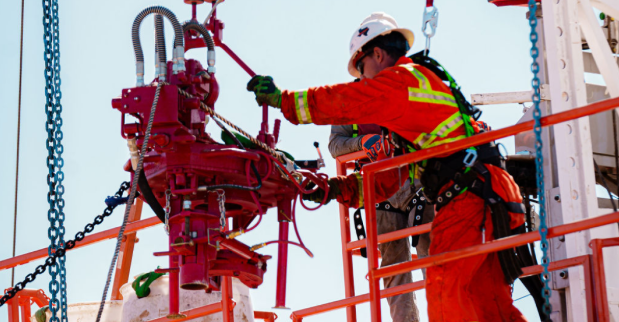
At Victory Well Servicing, safety is treated as an operational discipline. It is designed into how work is planned, how equipment is prepared, and how crews execute across 24/7 well servicing environments.
Safety decisions are made alongside operational decisions and supported by defined systems, trained people, and consistent execution in the field. This approach allows Victory to protect crews, maintain steady operations, and give customers confidence that work will be carried out the same way on every shift and every site.
Designing safety into the work
Long before a crew arrives on location, safety is built into the way work is designed. Procedures, equipment standards, and operating controls are developed to reduce exposure, limit variability, and support consistent execution. Crews step into environments where expectations are clear, tools are familiar, and controls are already in place.
For crews, this reduces uncertainty and mental load. For customers, it supports smoother execution and fewer disruptions. Safety functions as part of the work design, not as a separate activity running in parallel.
Engineered programs aligned to operational risk
Victory’s safety programs are developed to address specific risk areas common to well servicing operations. These programs are engineered with defined purpose and embedded directly into daily workflows.
DROPS Program Focuses on overhead hazard control through structured inspections, secondary retention standards, red zone controls, and planning requirements for work at height.
Cut and Slips Program Built on megajoule calculations by pipe depth and size to guide line use, extend service life, and reduce failure risk during handling operations.
Certification and readiness transparency Provides visibility into both equipment and personnel certifications, reinforcing accountability and giving customers confidence in crew readiness on their wells.
These programs are supported by permits, checklists, and documented procedures that standardize best practices across operations and reinforce consistent execution.
Systems and skills working together in the field
Safety at Victory is supported by the interaction between systems and people. Operational safeguards provide crews with immediate feedback and protection during critical activities, helping prevent high-consequence events and supporting better decision-making on the rig.
Key elements include:
Operational safety technology such as I-Stop, brake assist systems, and live monitoring that provide real-time feedback during higher-risk operations
Behavior-based safety practices that reinforce awareness and accountability through field observations and feedback loops
Ongoing training and preparedness, including KPA-certified programs, remote access to safety protocols, and structured drills that maintain readiness for both routine and non-routine scenarios
Together, these elements ensure that safety systems are reinforced by trained, alert crews, and that crews are consistently supported by the systems around them.
Designed for continuous operations
Victory’s safety systems are built to support extended, around-the-clock operations and the conditions that come with them. Environmental and operational factors are integrated into daily work planning rather than treated as exceptions.
This includes:
Heat management protocols supported by cooling infrastructure, hydration planning, and structured rest periods
Exposure controls, such as defined red zones and overhead work restrictions during higher-hazard activities
These measures help crews manage fatigue and environmental stress, supporting sustained focus and effective performance across long shifts and rotating schedules.
A culture that reinforces the system
Culture at Victory reinforces the systems already in place. Crew members are expected to identify and raise concerns during inspections and execution, supported by leadership and peer accountability.
New hires are paired with experienced mentors to ensure they learn not only the tasks, but how Victory approaches work deliberately and consistently. Standardized equipment layouts and procedures across rigs further reinforce familiarity and confidence, regardless of where crews are deployed.
Accountability is shared at every level, supported by regular inspections, audits, and leadership involvement.
Safety that supports performance
For Victory, safety is closely tied to operational outcomes. Designed systems, structured programs, trained crews, and reinforced culture combine to support steady execution, fewer interruptions, and greater confidence for customers in how work is planned and carried out.
At Victory Well Servicing, safety is integrated into the way operations are designed and executed, supporting consistent performance across every shift and every site.
Comments