
Winter Well Servicing in Utah: How Victory Adapts for Cooler Conditions


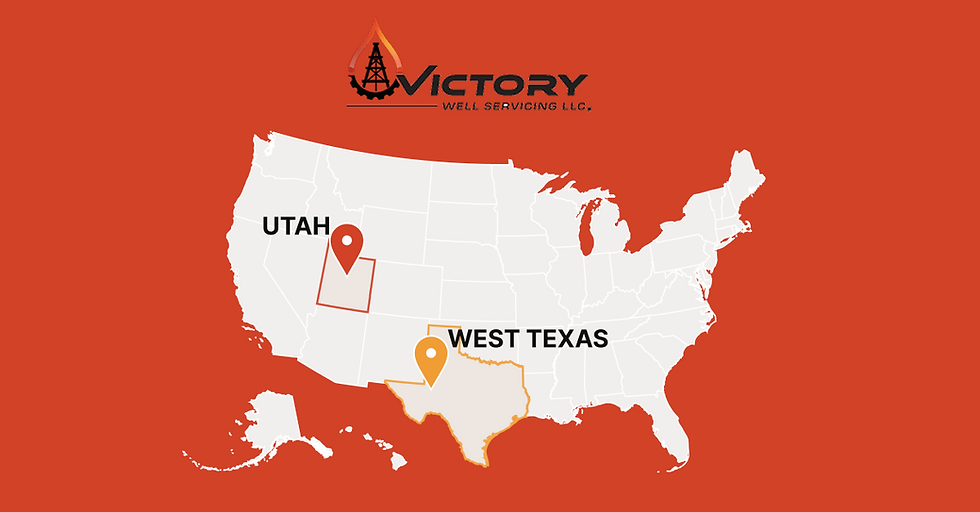
Winter well servicing in Utah looks different than summer operations in Texas, but it’s not about extreme conditions. Temperatures in the 20s to 40s°F introduce practical considerations like fluid performance, surface traction, and equipment response in cooler air. With the right preparation and operating discipline, these conditions are manageable and routine.
At Victory Well Servicing, we adapt our standard procedures to support winter programs in mild cold climates, including geothermal operations. The fundamentals stay the same. What changes is how we prepare, sequence work, and manage equipment to keep operations safe and efficient throughout the winter months.
Preparing for Winter Before the Job Starts
Winter readiness begins well before crews arrive on location. Pre-season preparation focuses on systems that respond differently in cooler temperatures.
Key steps include:
Fluid and lubricant adjustments: Winter-grade oils and greases are used to maintain proper flow, with antifreeze levels checked in cooling systems to support reliable startups.
Insulation and diesel-powered heaters: Exposed lines, valves, and manifolds are insulated, and we use diesel-powered heaters to keep fluids moving without interruption.
Tool storage and heating: Tools, spares, and consumables are stored in heated enclosures. Barrel heaters keep greases workable so crews are not waiting on materials to warm up.
This preparation reduces start-up delays and ensures rigs are ready to work from the first shift.
Daily Adjustments for Cooler Weather
Once operations are underway, crews adjust daily routines to match winter conditions such as cold mornings, wet snow, or wind.
Typical practices include:
Surface management Walkways, rig floors, and catwalks are cleared regularly using shovels, brooms, and non-slip grit. For mild accumulations, this keeps surfaces safe without overcomplicating the setup.
Layered PPE for comfort and mobility Thermal base layers, waterproof outerwear, insulated gloves, and head protection help crews stay warm without sacrificing dexterity or awareness.
Pre-heated tools and task sequencing Tongs, slips, and elevators are warmed before use. Rig-up and maintenance tasks are sequenced to balance indoor and outdoor work efficiently.
With shorter daylight hours, crews place added emphasis on lighting checks, clear hand signals, and communication between positions.
Operating Discipline in Mild Cold Conditions
Victory’s safety and operating discipline scales naturally into winter work. The goal is to catch small issues early and keep them from becoming larger problems.
This includes:
Expanded pre-tour walkdowns Crews inspect for stiff hydraulics, condensation on lines, and slick areas, with observations shared during shift handovers.
Fluid performance checks Mud, brines, and lubricants are spot-checked for viscosity changes, with adjustments made to protect pumps and equipment.
Crew wellness practices Warm-up breaks in doghouses, hydration reminders, and fatigue awareness are built into the day, especially on night shifts.
Every crew member maintains stop-work authority, supported by daily tailgate meetings that address winter-specific considerations.
Supporting Geothermal Operations in Utah
For geothermal projects in Utah, these winter practices align well with the work requirements. Cooler temperatures call for consistency and precision rather than extreme measures.
Fluid temperature stability is maintained through insulation, use of diesel-powered heaters, and monitoring to support drilling efficiency.
Elevation and wind exposure are managed with wind screens and thoughtful pipe-handling sequences.
Core well servicing skills transfer directly from oil and gas work, demonstrating the adaptability of Victory crews across energy applications.
What This Means for Operators
In mild cold climates, Victory provides what operators need to keep winter programs on track: predictable schedules, consistent execution, clean, organized locations, and fewer weather-related disruptions to schedules and execution.
Whether supporting geothermal completions or conventional well servicing, Victory treats winter as a routine operating condition, not an exception.
As you plan upcoming winter programs in Utah, we’re ready to support your work with the same disciplined approach we bring to every season.


Comments